
Why friendship matters more than ever
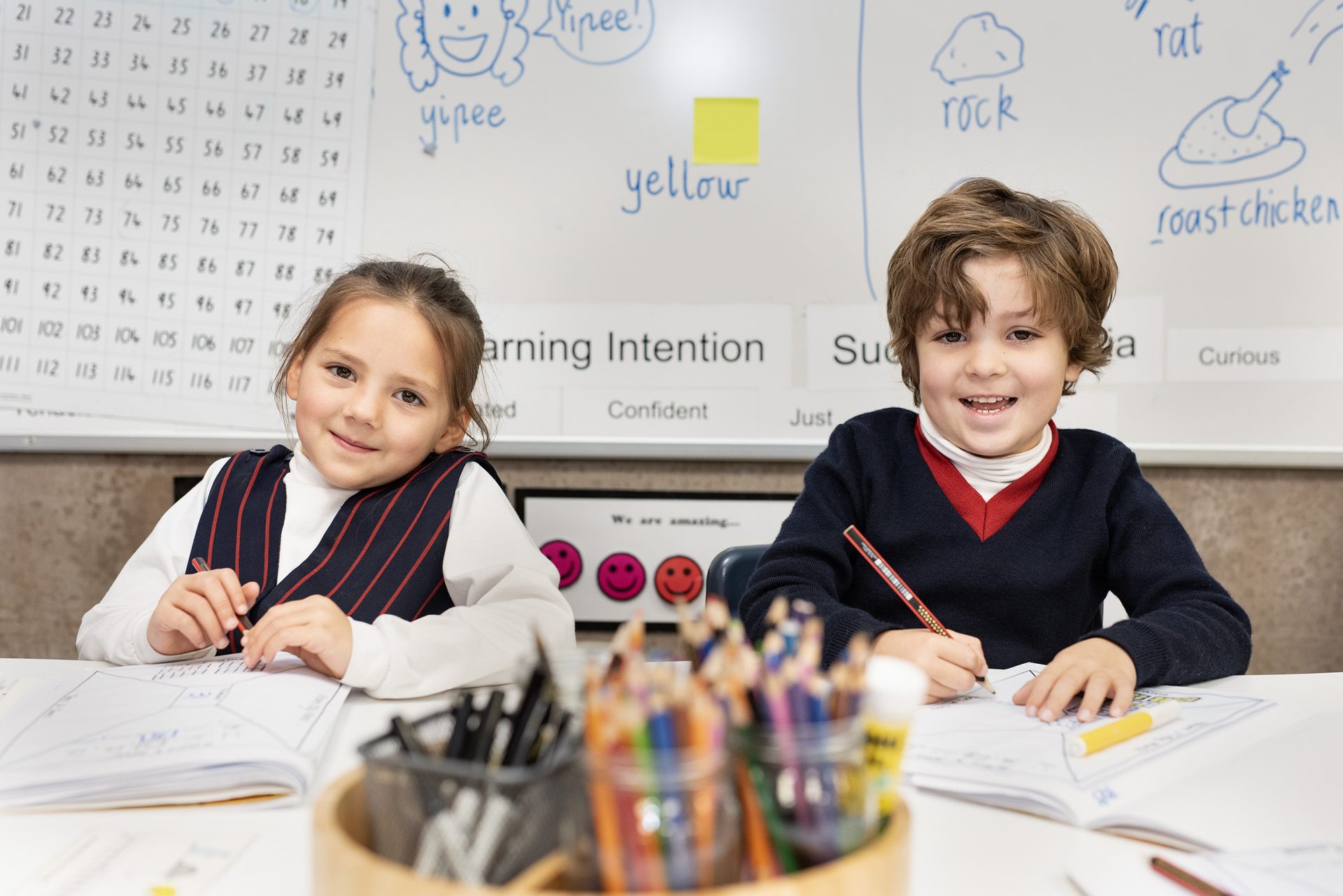
Friendships are one of the most powerful influences in a child’s life. At St Michael’s, we recognise that friendships are central not only to emotional wellbeing but also to a child’s social and intellectual development.
From early childhood through to adolescence, friendships are where children begin to make sense of the world around them. It’s in these relationships that they test ideas, navigate disagreements, discover who they are, and learn what it means to belong. Many of the lessons that stay with us for life are formed in these moments.
That’s why we place strong emphasis on explicitly taught social-emotional skills, through programs like U R Strong, while also supporting families with practical tools to guide children’s social development at home.
How we foster friendship in the curriculum
At St Michael’s, friendship skills aren’t left to chance; they are intentionally woven into our curriculum from the earliest years.
Through our Junior School wellbeing curriculum, students participate in regular lessons from the U R Strong Friendology program. These lessons are engaging and age-appropriate, exploring what friendships can look like, how they grow, and what to do when things feel challenging. Students talk about making and maintaining friendships, showing empathy, and recognising when a friendship feels supportive or when it doesn’t.
They also learn how to manage conflict in a healthy way, including how to respond when small issues start to escalate. A strong focus is placed on confidence and boundaries, helping children feel secure in themselves and their relationships.
These sessions give students a shared language and a practical way to think about friendships, so they can apply what they’ve learned in everyday situations.
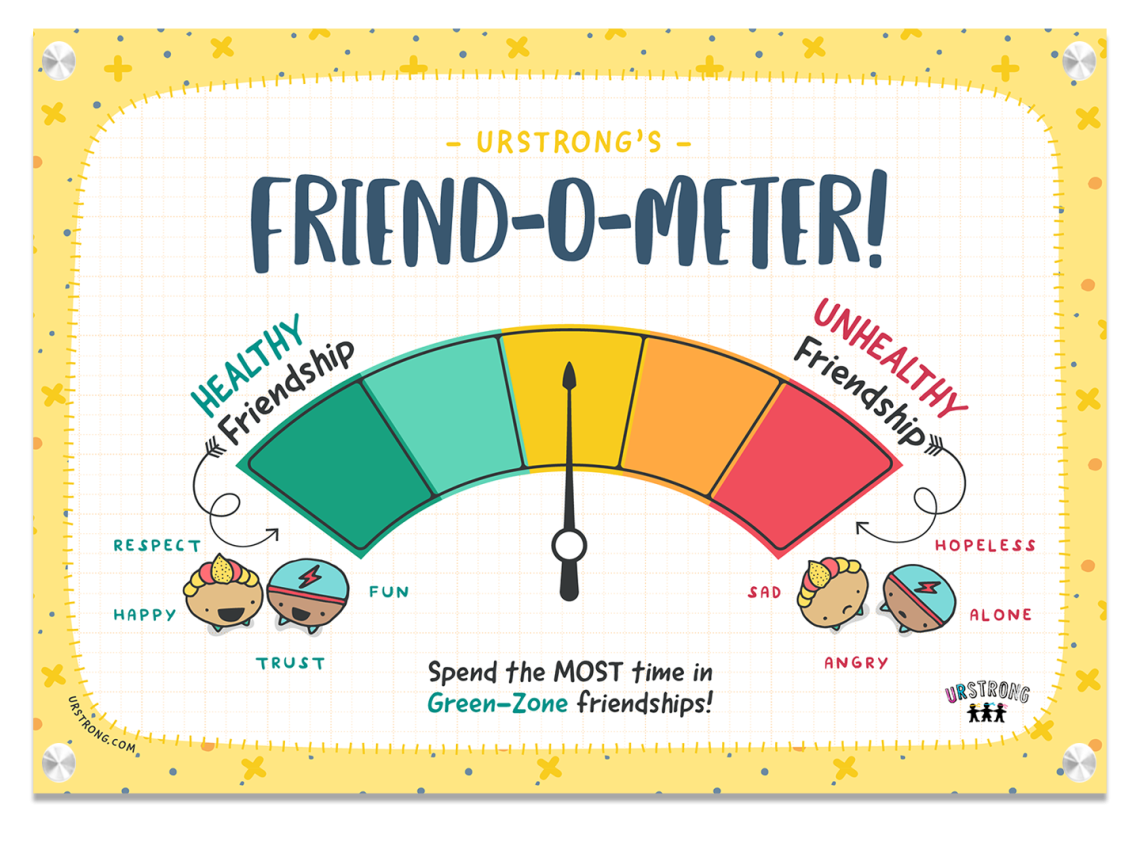
Students also use role-play, reflection activities and visual tools such as the Friend-o-Meter, which helps them check in on how a friendship feels, and the Friend-o-Cycle, which supports them through tricky social moments.
All of this is part of helping students build respectful, authentic relationships, not only with others, but with themselves.
You’re going to be with yourself your entire life, so we talk to [the students] about being kind to yourself.Tim Roberts, Wellbeing Ambassador
A framework for flourishing: The six dimensions of wellbeing
True wellbeing is holistic. It includes emotional, physical, social, mental, intellectual and spiritual aspects of a child’s life. Friendships don’t sit neatly in just one of these areas, they influence all of them.
A strong friendship can lift a child’s mood, create a sense of belonging and even impact physical health. Learning how to be a good friend and how to recognise friendships that feel right lays important foundations for flourishing both in and beyond the classroom.
Your role as a “friendship coach”
When your child comes to you with a friendship problem, it’s natural to want to step in and fix it. But research and experience point to a more effective role: coaching.
Rather than taking over, support your child to think through what’s happening. Listen carefully, acknowledge how they’re feeling, and help them reflect on what they might try next. Practising conversations together can be helpful, as can gently reminding them of strategies they’ve already learned at school.
This approach builds confidence and helps children trust their own ability to navigate social challenges.
What not to do: avoiding over-involvement
When emotions are high, it can be tempting to contact the parent of another child straight away. While well-intentioned, this often leads to embarrassment, broken trust, or the situation becoming more complicated than it needs to be.
Where possible, children benefit from having the space to try resolving issues themselves, with the support of teachers or wellbeing staff if required. These moments, while uncomfortable, are valuable opportunities for growth and learning.
One of the key messages from our Parent Expo was simple: your child can handle more than you might think — and you’re there to guide, not remove, the challenge.
It is quite normal for children to sit in discomfort when they have made a mistakeTim Roberts, Wellbeing Ambassador
The long view: building character through social learning
Children don’t always realise how much their actions shape their reputation or influence their relationships. Encouraging them to reflect on how they treat others, to speak up when something doesn’t feel right, and to think about being an “upstander” rather than a bystander helps develop their moral compass.
These lessons take time. They are built through consistency, reflection and support from both families and schools working together.
Final thoughts
Friendships can be messy, and that’s normal. Rather than seeing every disagreement as a problem to fix, we encourage parents to view them as learning opportunities. These moments give children the chance to practice skills they’ll carry with them for life.
By focusing on empathy, communication and healthy boundaries, and by modelling calm, reflective responses ourselves, we can support our children to build not just strong friendships, but strong character.