Learning to Drive Before They Get Behind the Wheel
Year 10 Road Safety

Most Year 10 students are close to one of the biggest milestones of adolescence: their learner's permit. St Michael's Road Safety unit meets them right at that threshold, with an immersive, multi-layered program that goes well beyond a classroom lesson. Few schools embed road safety into their core Health curriculum at Year 10 with this level of investment — combining VR simulators, impairment goggles, and a family-based practical assessment into a single, integrated unit.
The timing is deliberate. Young Victorians in their first year of driving are almost four times more likely than more experienced drivers to be involved in a fatal or serious injury crash. At 15 and 16, students are approaching exactly that window. Building knowledge before they get behind the wheel isn't just good curriculum design — it's potentially life-saving. Victoria Police
Why Year 10 is the right moment
The unit covers the graduated licensing system, the rules of the road, and blood alcohol concentration limits. Students complete a practice learner's permit test in class, working through real questions from the actual test with teacher support. The goal is to arrive at that test with confidence and a foundation that holds up under pressure.

Simulating the experience of impairment
One of the unit's most memorable sessions involves purpose-designed vision impairment goggles, which simulate how alcohol and drugs affect perception. Students take part in activities outside: putting a golf ball, catching, and walking a straight line.
"On one of them it had little holes in it and there was three of everything. So when I was trying to do the golf there were three balls and I was like, oh no. And then when I was on the line trying to walk in a straight line, it was so dizzy and I felt so wobbly." — Year 10 student
What sounds like a simple activity quickly becomes disorienting. The debrief that follows is where the real learning happens: if a brief task with a golf ball is that difficult, what does impairment mean at speed, with passengers, in traffic?
Getting behind the wheel — virtually
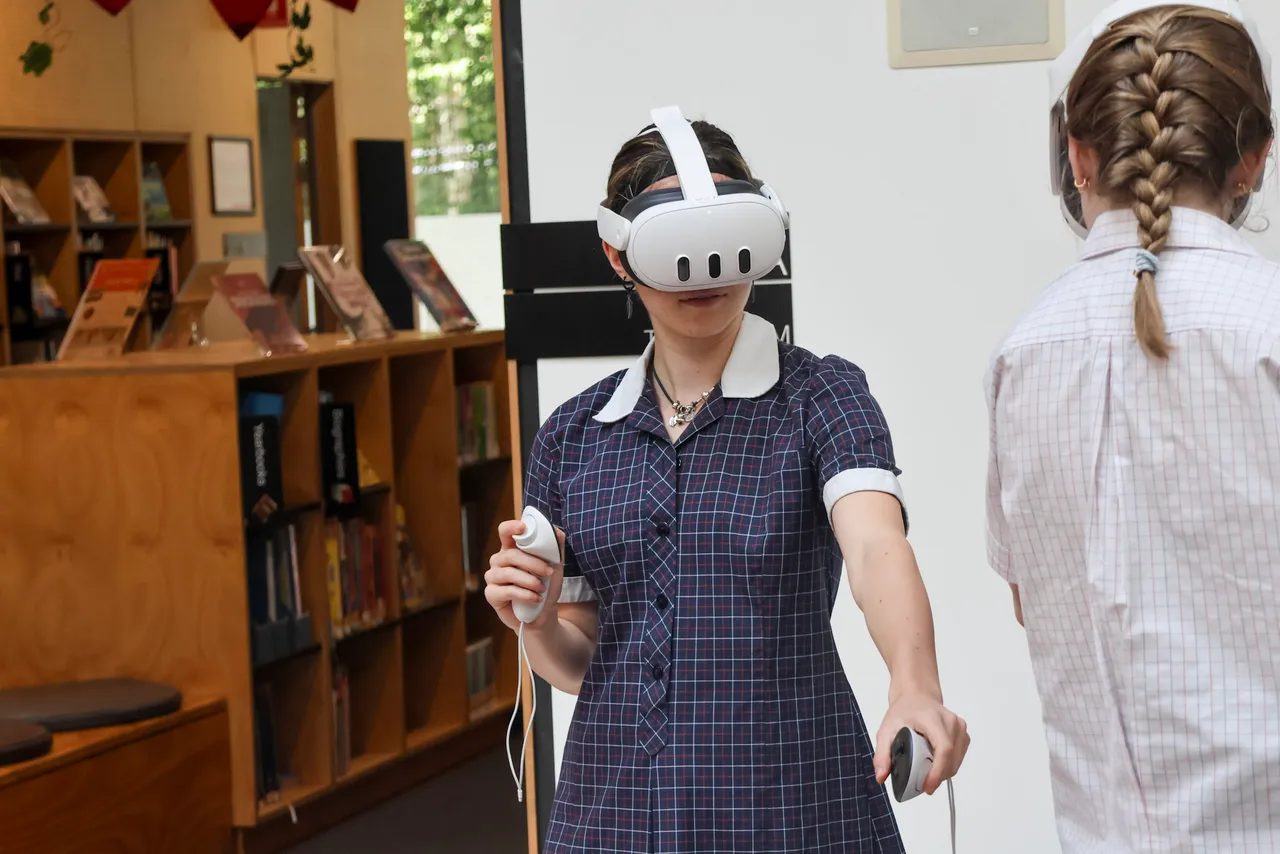
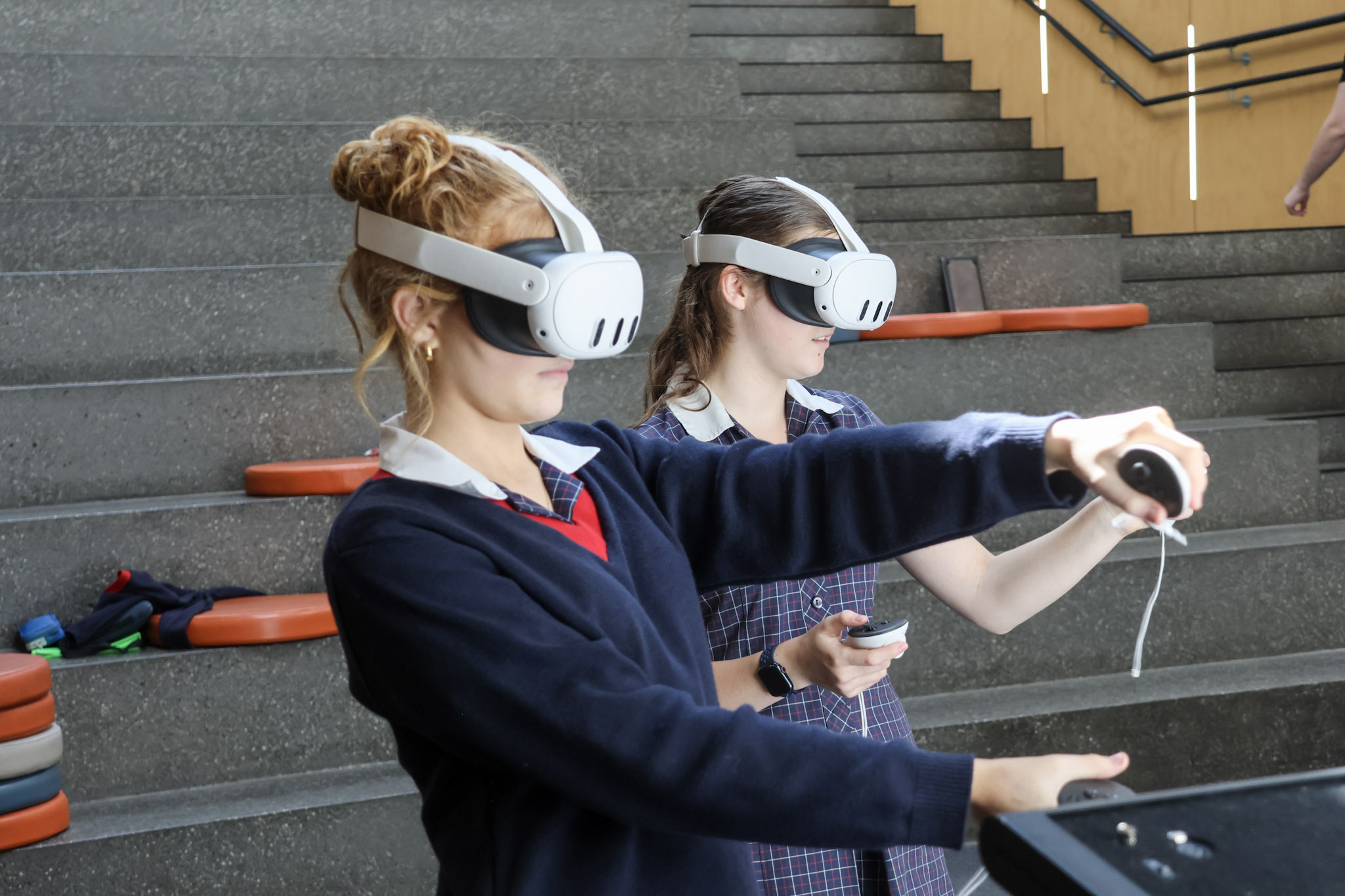
Students also access VR driving simulators, experiencing the challenge of parking a car without leaving school grounds. The simulation adds a layer of intentional difficulty: while students are navigating and parking, their peers talk to them, replicating exactly the social dynamics of a car full of friends.
A young driver has a five-times higher risk of being involved in a fatal crash when they have two or more passengers in their car compared to when they are travelling alone. The VR experience makes that statistic feel real before students ever sit in a driver's seat. Victoria Police
Being a safe passenger, not just a driver
The unit extends beyond the driver's seat. A significant focus is on what students can do as passengers — how to speak up, how to manage peer pressure, and what their responsibilities are when someone else is in control of the vehicle.
Students also examine phone use in detail: not just the legal restrictions, but why even a brief distraction creates risk. Drivers are ten times more at risk of crashing if they are texting, browsing, or emailing on their mobile. Victoria Police
"We learned how phone use can be really distracting. We experienced this by trying to complete a task on our computer while also using our phone. It showed us how difficult it is to concentrate and highlighted the dangers of being distracted while driving." — Year 10 student
Bringing families into the learning
One of the most distinctive elements of the unit is a practical assessment completed at home with a parent or guardian. Students work alongside a family member to check and maintain a vehicle, such as inspecting oil and coolant levels, checking tyre pressure, changing a tyre, and identifying key safety features.
The school designed this task deliberately. Rather than keeping road safety knowledge inside the classroom, it's built to open conversations at home: getting your L's, buying a first car, understanding ANCAP safety ratings, and navigating the graduated licensing system together.
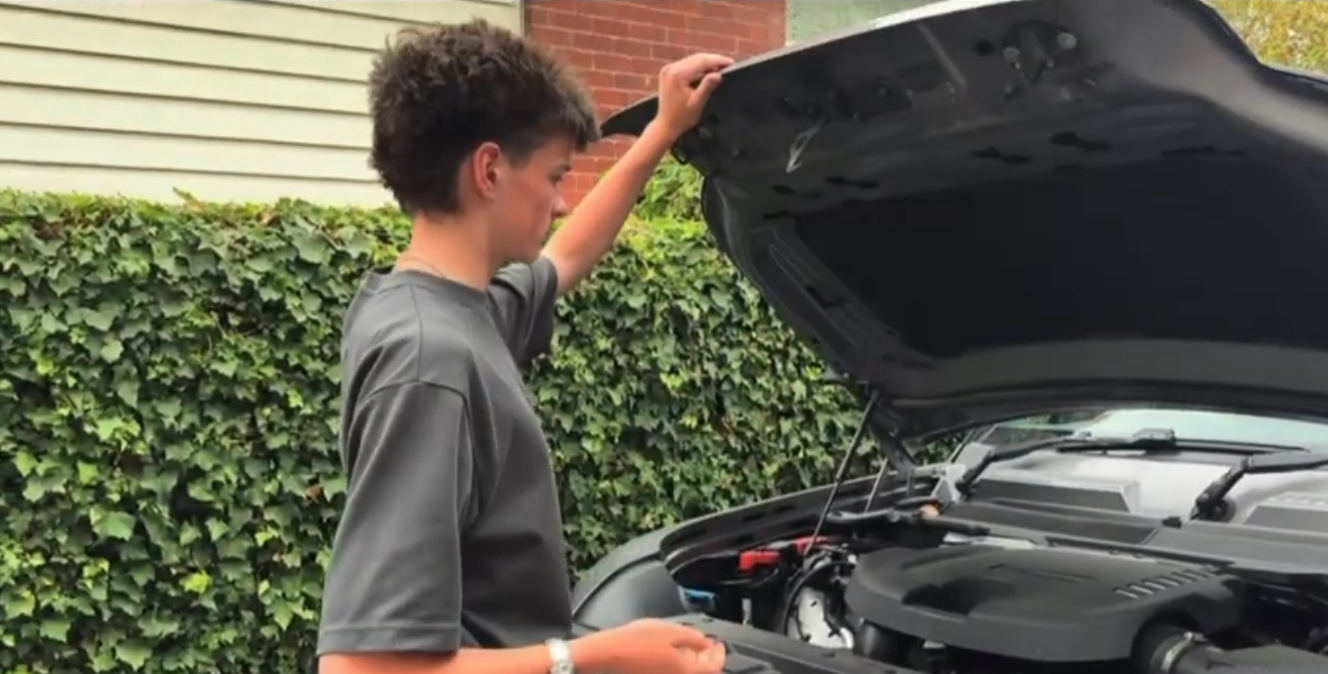
"The Year 10 Road Safety Education Unit sparked some great conversations in our household. The use of vision impairment goggles and VR simulating the effects of alcohol on perception led to discussions with my daughter I otherwise might not have had. Assisting my daughter with filming to create a video on car maintenance not only highlighted the responsibilities of car ownership but was also a great activity to do together." — St Michael's parent
Part of something bigger
This unit sits within our broader Health program across Years 7–10, which prioritises practical, real-world learning experiences. The aim is to equip students with skills and understanding they can apply in real-life situations, not just recall in an exam. Road safety is one important example of this approach.
St Michael’s is one of Australia’s leading independent coeducational schools, educating more than 1200 students from Kindergarten to VCE. We acknowledge the Boonwurrung People of the Kulin Nation as the Traditional Custodians of the land on which St Michael’s stands. We pay respect to their ancestors, elders and emerging leaders, and we are committed to reconciliation through authentic relationships and continued cultural learning.
site by Digistorm, a Veracross solution
© 2026 St Michael’s Grammar School